
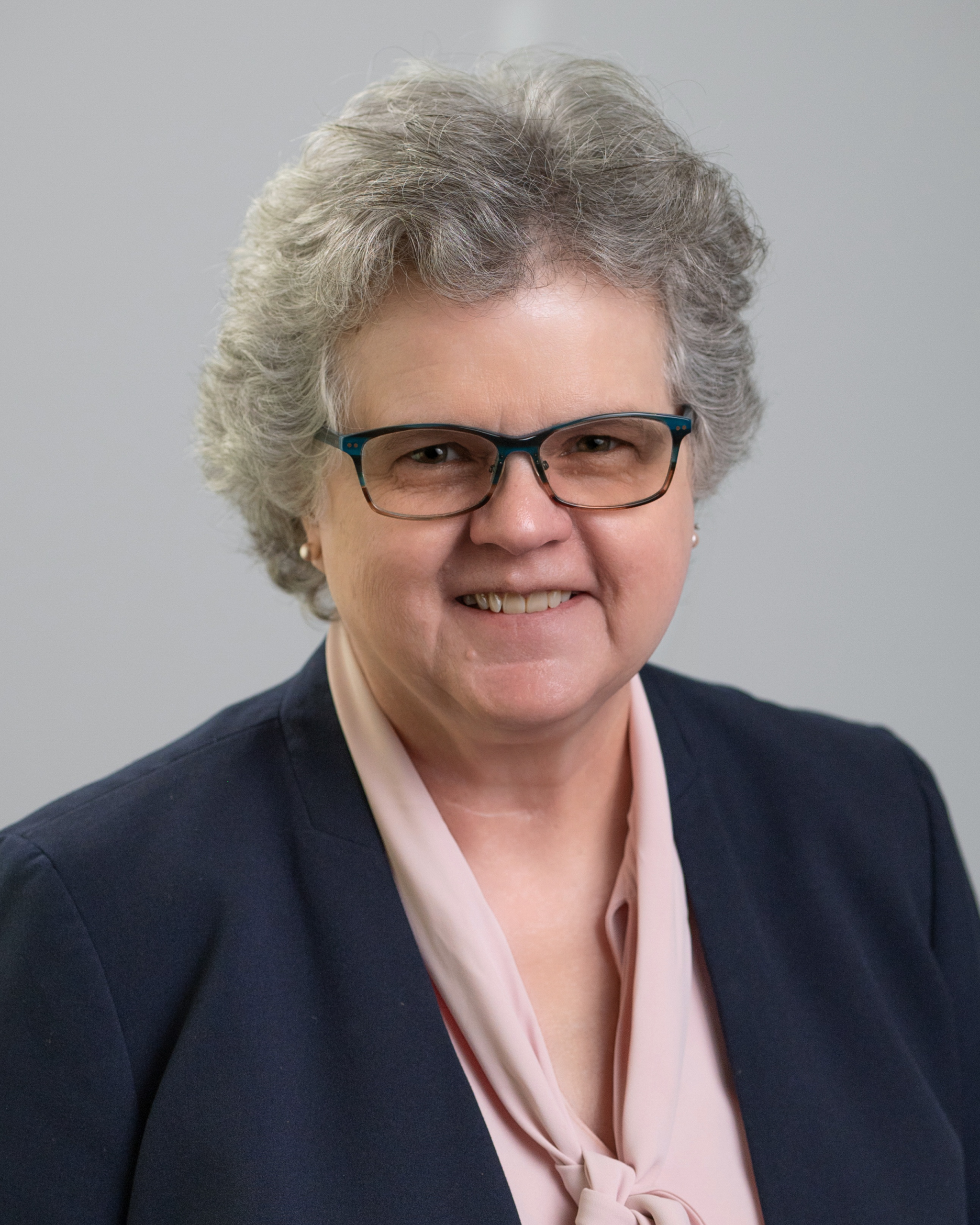
Kathy Greenlee currently serves as the Senior Director of Elder Justice Initiatives for ADvancing States. She is the former U.S. Assistant Secretary for Aging, appointed in 2009 by President Obama, and was the senior leader at the Department of Health and Human Services during the implementation of the Affordable Care Act. The NAB congratulates Kathy on her upcoming retirement and celebrates her remarkable legacy in aging and disability, elder justice, and adult protective services.
As I prepare to retire, I find myself reflecting on both the progress we have made and the challenges that remain in protecting older adults from abuse, neglect, and exploitation.
This year’s World Elder Abuse Awareness Day theme is “Beyond Awareness: Making Elder Abuse Prevention Work.” For me, that starts with prevention.
Prevention of elder abuse must focus on identification of risk. The Abuse Intervention Model™ developed at the University of Southern California, centers on reducing risk by focusing on the older adult, the care partner(s), and the context in which abuse may be occurring. Often, prevention activities are not things we haven’t heard of. Prevention means more consistently providing support we know to be helpful. Designating a health care proxy, reducing social isolation, and supporting caregivers are all proven strategies that can reduce vulnerability and strengthen protection for older adults.
As people age, new challenges continue to emerge. Increasing numbers of older adults are living with cognitive decline, whether due to age related decline or diseases such as Alzheimer’s. Changes in executive functioning can increase vulnerability to financial exploitation and make it more difficult for individuals to manage their own care and daily affairs.
Financial exploitation remains one of the most pressing concerns in elder justice. I first encountered this as a young attorney, literally half my lifetime ago. Back then financial predators primarily relied on telephone scams and deceptive mail solicitations. Everything is more complex now. The scale of theft is larger and the criminal operations behind these crimes are sophisticated. Our understanding has evolved as well. We now recognize that many forms of financial exploitation are intentionally designed to target older adults. These are not isolated incidents or misunderstandings, they are calculated crimes that prey on trust and vulnerability. Yet some of the most damaging exploitation does not come from strangers. In many cases, the person misusing or stealing an older adult’s resources is someone they know and trust.
Social isolation can further increase susceptibility to abuse and exploitation, and social connection can be a protective factor. In rural communities, distance and limited access to services can make it more difficult to engage with others. Building connections and ensuring access to resources remain important to prevention.
At the systems level, we have made meaningful progress. When I began serving as U.S. Assistant Secretary for Aging in 2009, the federal government’s role in addressing elder abuse was limited. When I met with Adult Protective Services (APS) directors in California, a county-level system, they had never met with a federal official to talk about adult protective services. By establishing the federal home for APS, we were able to secure a role and path for the federal government to show up and partner with this essential state program. Additionally, developing the National Adult Maltreatment Reporting System (NAMRS), has helped document the scale of elder abuse and self-neglect reported to state APS programs. We now have a clearer national picture of the people being served and the challenges they experience.
However, state reporting practices vary, making cross-state comparisons difficult, although new federal APS regulations should improve consistency over time. One finding has remained remarkably consistent since the first NAMRS report was published in 2016: Approximately half of all APS cases involve self-neglect. This reality demands greater attention. Everyone working in aging services should deepen their understanding of self-neglect. Individuals experiencing self-neglect need support rather than stigma. We need stronger research and better strategies that balance protection with respect for personal autonomy.
Perhaps the greatest gap in elder justice is the limited role older adults themselves play in shaping the solutions intended to serve them. We cannot build effective systems without the input, guidance, and leadership of those most directly affected. There is much to learn from the disability rights movement, which has long embraced self-determination as a core principle. The field of aging would benefit from adopting similar approaches that empower older adults to help shape policies, programs, and services.
We face significant challenges, but I am optimistic about the future of elder justice. More researchers, practitioners, advocates, and policymakers are dedicating their efforts to preventing abuse, strengthening APS, improving screening and intervention, and supporting older adults and their caregivers. I am hopeful about the skill and commitment of the early and mid-career professionals, along with those who have dedicated their lives to supporting and protecting older adults, who will capably carry this work forward!